After 17 years in industrial design, Stephen Simantiras still finds himself energized by the new. “I’m continually inspired by emerging technologies and enjoy finding new ways to integrate them into my design process and product development,” he says. It’s an enthusiasm that has shaped a career built on transforming ideas into impactful products and experiences, and on teaching others to do the same.
As Head of Creative at Canfield Scientific, Stephen leads the Industrial Design and UI/UX initiative to accelerate brand growth and build a team of talented designers. His focus centers on harmonizing form, function, and user experience to establish stronger brand language and fuel creative innovation. Before Canfield, he spent more than a decade at HS Design Inc. (now Ensera Design), growing from Industrial Designer to Director of Design, leading multidisciplinary teams through every stage of development—from research and concepting to prototyping and production. His portfolio spans consumer goods, consumer medical devices, and first-of-their-kind healthcare solutions.
Stephen’s commitment to the field extends beyond practice. For over a decade, he has served as an adjunct professor of design at Kean University, teaching industrial design principles, model making, CAD, rendering, and animation, passing on both technical skills and design philosophy to the next generation.
The Soul in the Machine
Yet Stephen’s excitement about emerging technologies comes tempered with concern about how designers integrate them into their work. “As AI tools become more integrated into our workflows, it’s incredible to see how much they can support and enhance what we do. The possibilities feel endless and exciting,” he reflects. “At the same time, I worry that some designers may begin to treat these tools as a crutch and rely on them too heavily.”
For Stephen, the core issue is one of responsibility. “It’s important to remember that our role as designers is to humanize technology, not hand over our responsibility to think through the best user-centered solutions. Design is inherently empathetic, and a well-crafted product carries a sense of soul.”
Empathy as Foundation
As jury captain for the Medical & Healthcare category in the 2026 Core77 Design Awards, Stephen will evaluate entries through this lens of empathy and human centeredness. His advice to entrants circles back to fundamentals that technology can support but never replace.
“As I mentioned above, good design is rooted in empathy,” Stephen says. “Beyond the blood, sweat, and occasional tears that go into creating your work, ask yourself: Is it truly user centered? Is it intuitive to interact with, and does it create a sense of safety for the end user?”
The work that will stand out, he suggests, combines technical innovation with genuine human benefit. “If your product is meaningfully disruptive, advances design and technology in ways that genuinely improve people’s lives, it will undoubtedly stand out in this competition.”
2025 Professional Winner
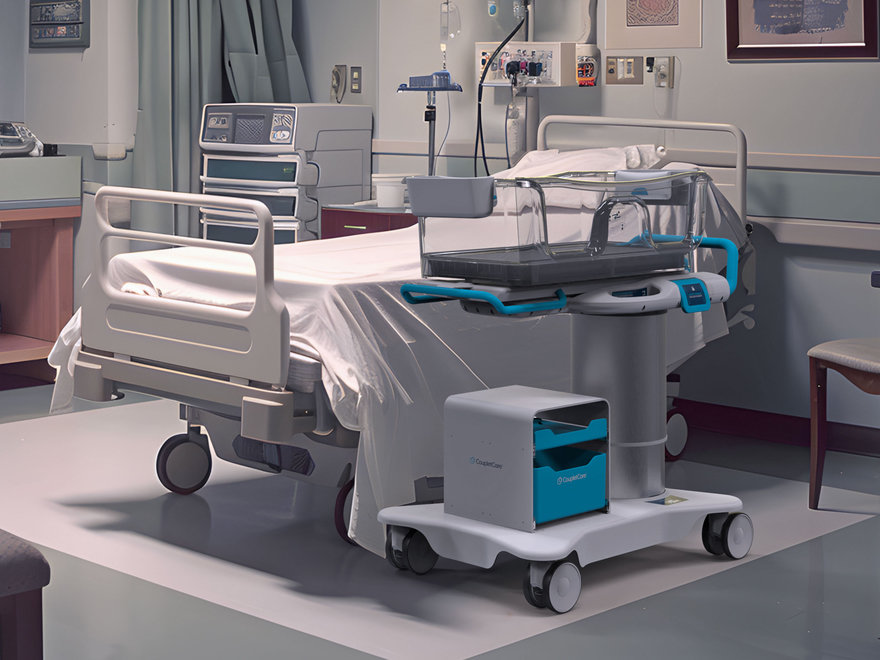
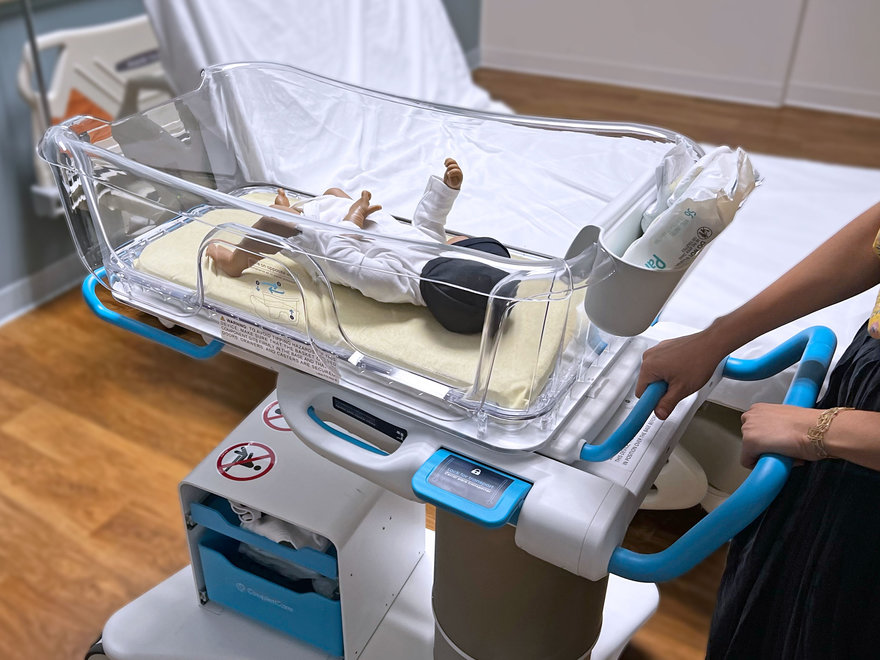
Last year the professional winner in the Medical & Healthcare category was Couplet Care Bassinet by Ty Hagler, from Trig, designed to address a critical gap in postpartum care: the lack of accessible, user-centered hospital bassinets.
If you have a forward-thinking idea that could spark a fire with our jurors, share it with us through the 2026 Core77 Design Awards.
Enter the C77DA before February 27 to lock in regular pricing.
link