Pete VonDeLinde
The COVID-19 pandemic might be in the rearview mirror, but it left in its wake permanent shifts in how we work. According to a 2025 Gallup survey, 50 percent of U.S. employees have a remote-capable job—and 60 percent of employees with remote-capable jobs want a hybrid work arrangement. It’s clear that for many companies, a long-term hybrid work strategy is critical, and that necessitates rethinking office design.
Minneapolis-based ESG Architecture & Design observes this new reality in many of its projects. In fact, the firm’s own headquarters at North Loop Green, which was completed in 2024, supports modern work life with a flexible office plan that promotes socialization and collaboration.
To shed some more light on the new reality of both commercial and home office design, Midwest Design tapped the expertise of Melissa Metzler, principal and director of interior design, and Maggie Lafferty, VP of interior design, at ESG Architecture & Design.
Many businesses have adopted a hybrid work schedule. Have you seen office design evolve to adapt to this permanent change in the workplace?
ESG: Hybrid work has fundamentally changed how we think about office design and how we all work. We know that fewer people need a dedicated desk every day of the week, and each client approaches this reality a little differently. To support that, we implement a workplace strategy phase early in our design process to fully understand a client’s needs now and in the future. We use clear metrics and an understanding of work styles to guide them toward the right balance of desk and office counts, as well as the most effective organization of their space.
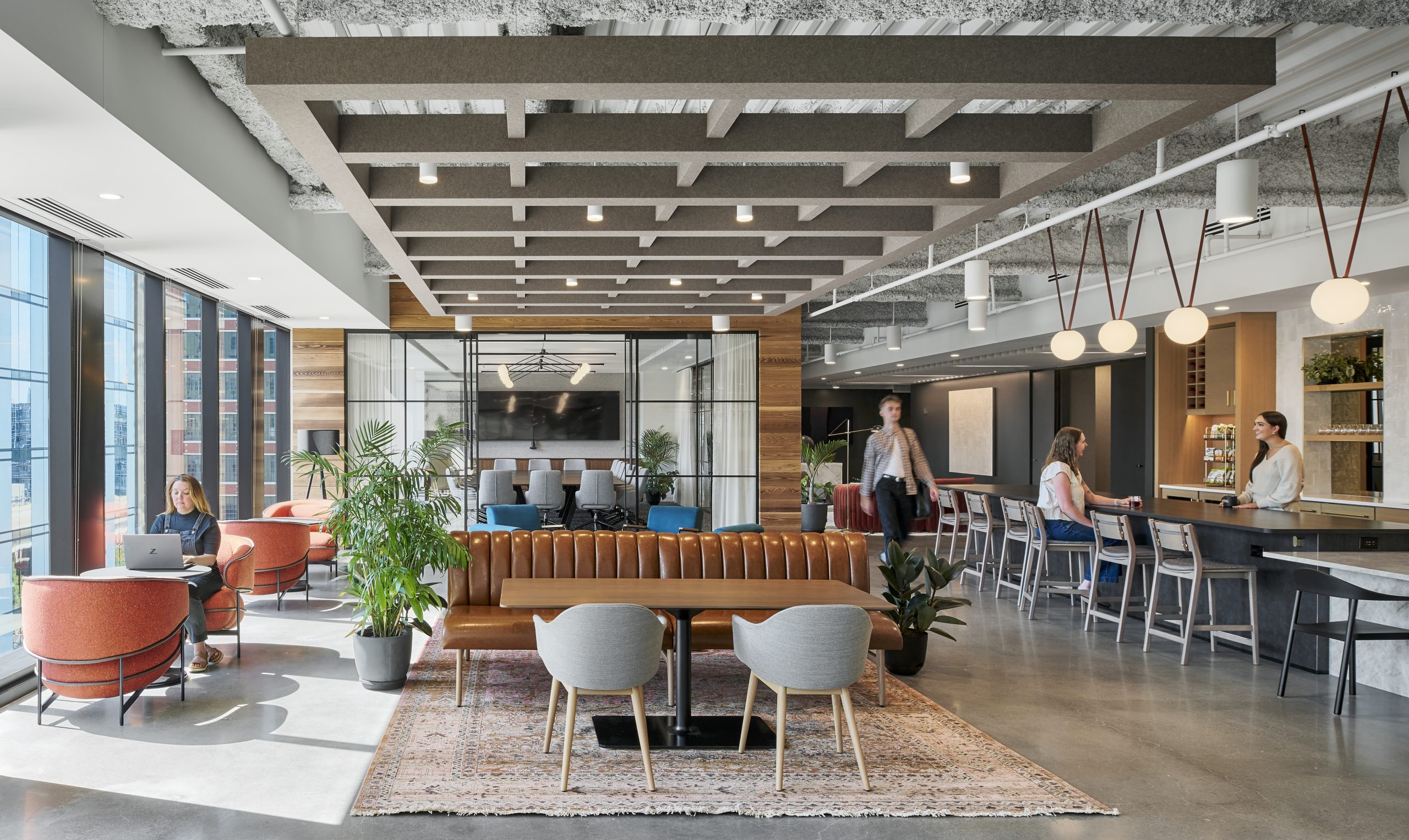
The trend is generally toward downsizing. These spaces are smaller in square footage but richer in experience. We’re integrating hospitality and social areas, collaboration hubs, focus zones, and intuitive technologies.
vRad is a recent client who is comprised of mostly a hybrid employee group. The majority of staff work remotely, and when they do come in, it’s for meaningful gatherings in large modular rooms or social spaces. We designed their environment around these social moments and the supporting spaces they require.
Ultimately, the goal is to create inspired, efficient spaces that make people want to come in, not just show up because they have to.

Pete VonDeLinde
What are other top commercial office design trends you’re seeing right now, and how do these reflect modern workplace schedules and the importance of face-to-face collaboration?
ESG: At ESG, we’re seeing a continual shift toward designing offices through a hospitality lens or creating spaces that nurture community and socialization. People want a welcoming experience that supports true collaboration and offers something they can’t get at home: thoughtful amenities, cozy-yet-efficient collaboration spots, and environments that make socializing feel natural and special. Finishes, materials, and lighting are used to create warmth and intentionality. And conveniences like concierge services, cafes, wellness offerings, and flexible, tech-forward environments ensure hybrid teams can work seamlessly.
Wellness, sustainability, and biophilic design are high priorities for many clients. Some companies bring wellness into the office layout with meditation rooms, fitness areas, or quiet zones, while others rely on building amenities that support wellness. There is also a greater shift toward empathy and human-centered design—everything from parents returning from leave to employees managing health routines.
Some of our recent projects like North Loop Green and US Bancorp both showcase gorgeous amenities highlighting wellness and fitness spaces like gyms, saunas, spa-like locker rooms, outdoor rooftop pools and terraces, great food and beverage opportunities, and a variety of conference and social spaces.
Ultimately, the workplaces that succeed are the ones that support life as much as work, combining culture, collaboration, and care in ways that keep people engaged and happy.
[Related: 5 Libraries, Studies & Offices to Inspire Your Workspace]
What are essential design considerations that a hybrid/remote employee should keep in mind to maintain productivity in their home office?
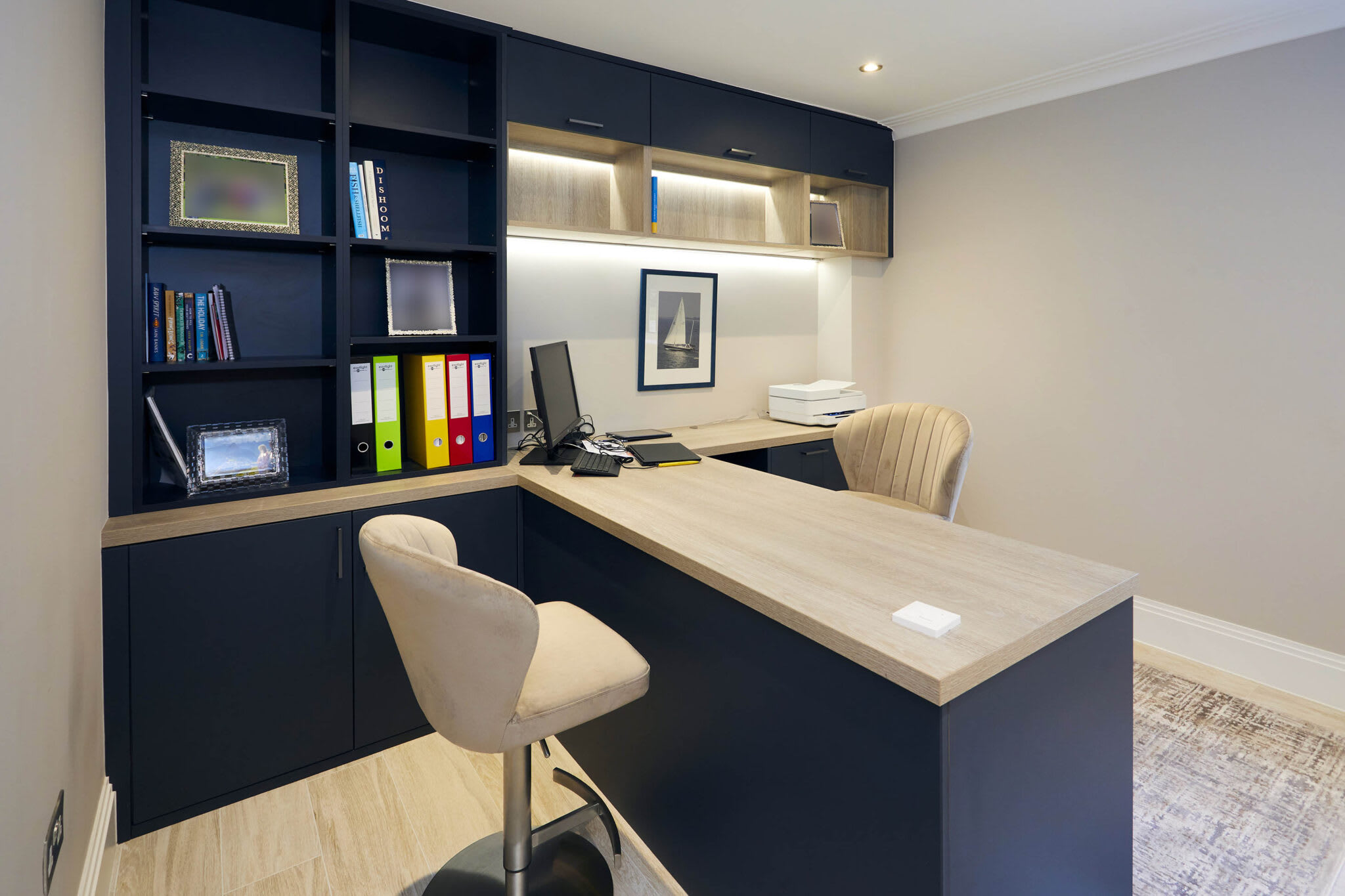
ESG: For hybrid workers, a home office should feel intentional and support productivity without feeling like an afterthought. Acoustic control, ergonomic furniture, and a clearly defined work zone make it easier to focus while working from home. Lighting at face level; a visually appealing but understated background; and simple, easy-to-use technology are important for video calls. It’s about creating a spot that helps you work productively at home but also gives a professional impression when you are on video calls.
Many employers have offered a stipend for home office essentials and provide supportive technology services for employees. These can make a meaningful difference in creating an efficient, comfortable at-home workspace. And while most organizations still prefer in-office work when possible, it’s just as important to support employees at home so they can perform well wherever they are working.
Read this next: The Impact of Tariffs on the Design-Build Industry—and How to Work Around Them
link