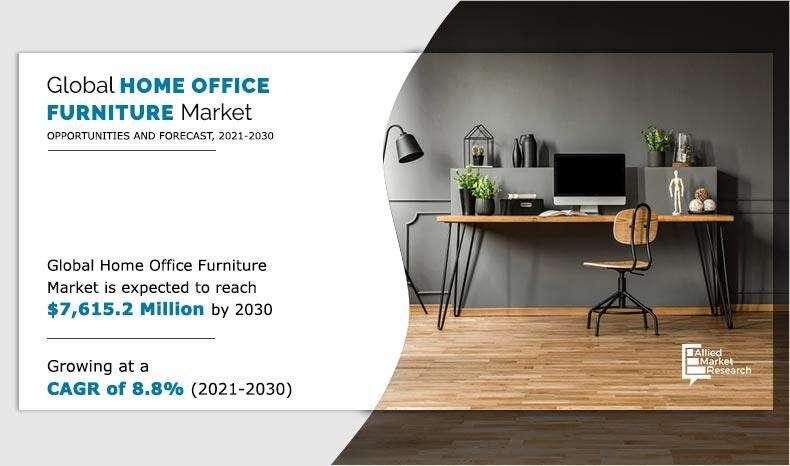
The global home office furniture market is witnessing significant growth, driven by the increasing prevalence of remote work, rising demand for ergonomic solutions, and the shift towards hybrid working models. As more people adapt to flexible working arrangements, the demand for comfortable and stylish home office furniture has soared. This article explores the trends, key drivers, challenges, and future outlook of the home office furniture industry.
Understanding the Home Office Furniture Market
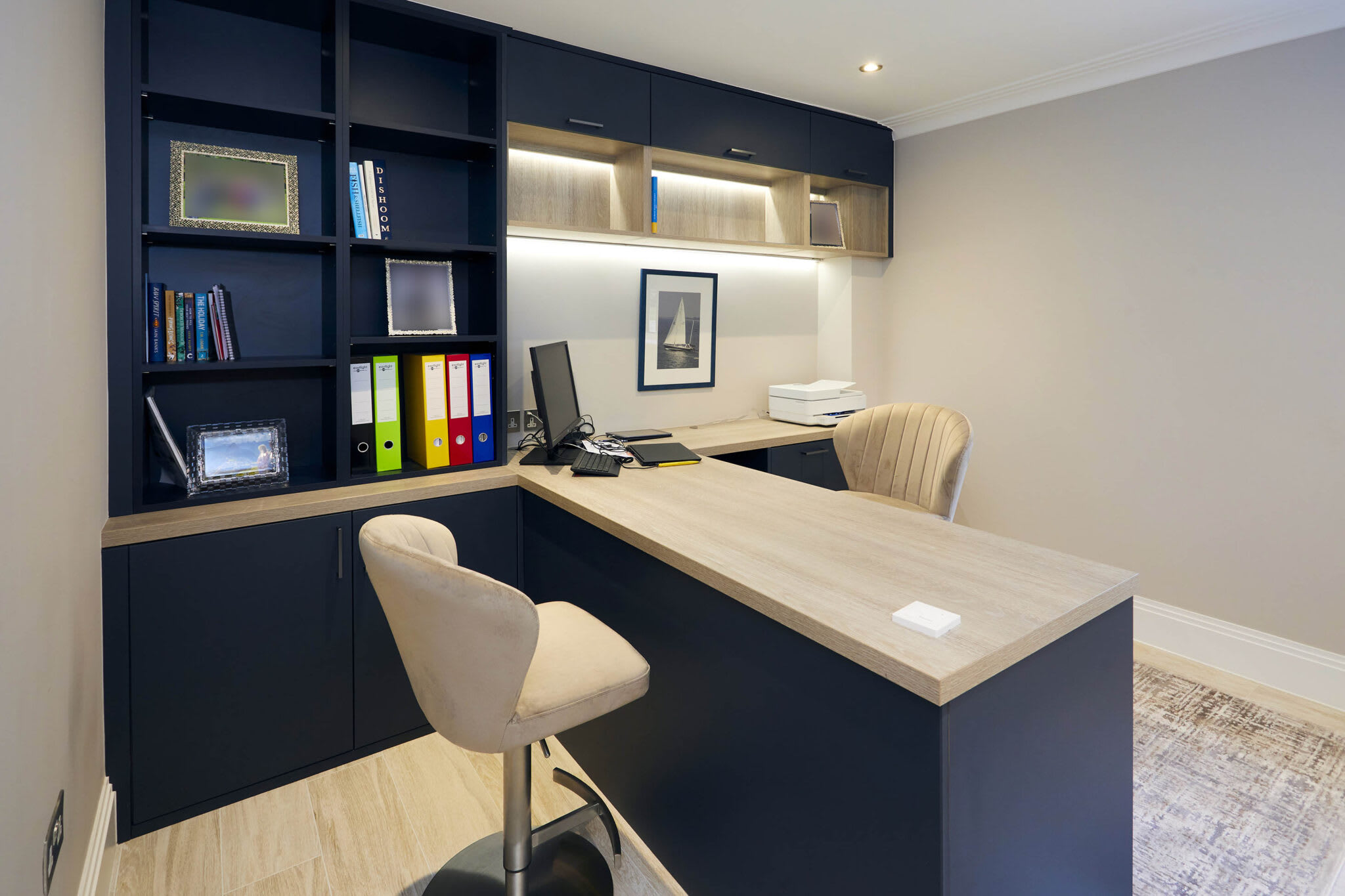
The home office furniture market includes a wide range of products designed for workspace setups in residential environments. This category encompasses desks, office chairs, storage units, bookshelves, ergonomic accessories, and other furniture items that enhance productivity and comfort for individuals working from home. With the rise of remote work, the home office is becoming a permanent feature in households worldwide, leading to increased investment in functional and aesthetically appealing furniture.
𝐒𝐩𝐞𝐚𝐤 𝐭𝐨 𝐎𝐮𝐫 𝐀𝐧𝐚𝐥𝐲𝐬𝐭- https://www.alliedmarketresearch.com/connect-to-analyst/A12536
Key Market Drivers
Several factors are contributing to the rapid expansion of the home office furniture market:
Rise of Remote and Hybrid Work Models: The COVID-19 pandemic has transformed traditional work environments, accelerating the shift toward remote and hybrid work models. Companies worldwide have adopted flexible work policies, and many employees now require dedicated home office setups to maintain productivity. This shift has led to a surge in demand for home office furniture, creating opportunities for manufacturers and retailers.
Growing Awareness of Ergonomics: As people spend more time working from home, the importance of ergonomic furniture has become a top priority. Consumers are increasingly seeking chairs, desks, and accessories that offer proper support and promote good posture to reduce the risk of physical discomfort and health issues. Ergonomic solutions not only enhance comfort but also improve overall work efficiency.
Focus on Aesthetic and Functional Designs: The design aspect of home office furniture has gained prominence as consumers seek pieces that complement their home decor while providing functionality. Modern furniture designs focus on minimalism, space efficiency, and multi-functional use, appealing to consumers who want a stylish yet practical workspace that blends seamlessly with their living spaces.
Trends Shaping the Home Office Furniture Market
Sustainability and Eco-friendly Products: Sustainability is a key trend influencing the home office furniture market, with consumers becoming more conscious of environmentally friendly practices. Brands are focusing on creating furniture using sustainable materials like bamboo, recycled wood, and eco-friendly finishes. Products with low environmental impact and sustainable manufacturing processes are gaining traction among eco-conscious buyers.
Integration of Smart Technology: The incorporation of technology into home office furniture is becoming more prevalent. Smart desks with adjustable heights, wireless charging stations, and built-in cable management systems are increasingly popular among tech-savvy consumers. This integration enhances productivity by creating a more organized and efficient workspace.
Customization and Personalization: Consumers are looking for home office furniture that reflects their personal style and meets their specific needs. Customizable options, such as adjustable desks, modular storage units, and chairs with personalized settings, allow users to create a workspace tailored to their preferences. This trend is driving the demand for flexible and adaptive furniture solutions.
𝐀𝐬𝐤 𝐟𝐨𝐫 𝐬𝐚𝐦𝐩𝐥𝐞 𝐜𝐨𝐩𝐲 𝐨𝐟 𝐭𝐡𝐢𝐬 𝐫𝐞𝐩𝐨𝐫𝐭 : https://www.alliedmarketresearch.com/request-sample/A12536
Regional Insights
The home office furniture market has a diverse global reach, with significant demand and growth across different regions:
North America: North America is one of the largest markets for home office furniture, driven by a strong remote work culture, high disposable incomes, and the presence of leading furniture brands. The U.S. market, in particular, has seen a surge in demand for ergonomic and technologically advanced furniture products.
Europe: Europe is also a key market, with countries like Germany, the UK, and France leading the adoption of home office setups. The region’s focus on sustainable and high-quality furniture designs is in line with the growing trend of eco-friendly products and innovative workspace solutions.
Asia-Pacific: The Asia-Pacific region is experiencing rapid growth in the home office furniture market, driven by the increasing number of remote workers and the expansion of multinational companies. Countries like China, India, and Japan are seeing a rising demand for cost-effective and stylish home office solutions as more professionals adopt hybrid working models.
Leading Players in the Market
The home office furniture market is highly competitive, with several established players and emerging brands driving innovation and meeting consumer demands. Some of the key companies in the industry include:
Herman Miller, Inc.: Known for its ergonomic office chairs and innovative designs, Herman Miller is a leading player in the home office furniture market, offering high-quality products that prioritize comfort and functionality.
Steelcase Inc.: Steelcase provides a wide range of office furniture solutions, focusing on sustainability and technological integration. The company is well-regarded for its durable and ergonomic products that cater to modern home office needs.
IKEA: A global leader in affordable and stylish home furnishings, IKEA offers a variety of home office furniture, including desks, chairs, and storage solutions that cater to different tastes and budgets.
HNI Corporation: HNI specializes in designing and manufacturing workplace solutions, including home office furniture that combines contemporary designs with ergonomic features, appealing to a broad customer base.
Challenges in the Home Office Furniture Market
Despite its growth potential, the home office furniture market faces several challenges, such as:
Supply Chain Disruptions: The global supply chain has been impacted by various factors, including raw material shortages and logistical constraints, which have led to delays in product delivery and increased production costs. Managing these disruptions is critical for maintaining consistent market supply.
Fluctuations in Raw Material Prices: The volatility in the prices of raw materials, such as wood, metal, and plastic, can affect the cost of manufacturing home office furniture. Brands must navigate these fluctuations to ensure competitive pricing without compromising on quality.
Changing Consumer Preferences: The dynamic nature of consumer preferences and the need for constant innovation present challenges for manufacturers. Staying ahead of trends and offering products that align with evolving demands is crucial to retaining customer loyalty and market relevance.
Future Outlook
The future of the home office furniture market looks promising, with continuous innovation in design, technology, and sustainability. As remote work becomes a more permanent feature of the modern work landscape, the demand for high-quality, ergonomic, and aesthetically pleasing home office solutions is expected to grow. Brands that leverage technology, prioritize eco-friendly practices, and offer customizable products will likely lead the market.
Conclusion
The global home office furniture market is thriving, driven by the rise of remote work, a growing focus on ergonomics, and the increasing demand for sustainable and stylish designs. As the market continues to evolve, brands that innovate and adapt to changing consumer needs will play a key role in shaping the future of home office setups. The emphasis on comfort, functionality, and aesthetics will continue to drive the development of home office furniture that enhances the work-from-home experience.
𝐊𝐧𝐨𝐰 𝐌𝐨𝐫𝐞- https://www.alliedmarketresearch.com/home-office-furniture-market-A12536
𝐄𝐱𝐩𝐥𝐨𝐫𝐞 𝐀𝐌𝐑’𝐬 𝐄𝐱𝐭𝐞𝐧𝐬𝐢𝐯𝐞 𝐨𝐧𝐠𝐨𝐢𝐧𝐠 𝐂𝐨𝐯𝐞𝐫𝐚𝐠𝐞 𝐨𝐧 𝐂𝐨𝐧𝐬𝐮𝐦𝐞𝐫 𝐚𝐧𝐝 𝐆𝐨𝐨𝐝𝐬 𝐃𝐨𝐦𝐚𝐢𝐧
𝐁𝐥𝐞𝐢𝐬𝐮𝐫𝐞 𝐓𝐫𝐚𝐯𝐞𝐥 𝐌𝐚𝐫𝐤𝐞𝐭 https://www.alliedmarketresearch.com/bleisure-travel-market-A06357
𝐅𝐮𝐫𝐧𝐢𝐭𝐮𝐫𝐞 𝐌𝐚𝐫𝐤𝐞𝐭 https://www.alliedmarketresearch.com/furniture-market
𝐀𝐬𝐢𝐚-𝐏𝐚𝐜𝐢𝐟𝐢𝐜 𝐋𝐮𝐱𝐮𝐫𝐲 𝐅𝐮𝐫𝐧𝐢𝐭𝐮𝐫𝐞 𝐌𝐚𝐫𝐤𝐞𝐭 https://www.alliedmarketresearch.com/asia-pacific-luxury-furniture-market
Contact:
Davin Correa
1209 Orange Street,
Corporation Trust Center,
Wilmington, New Castle,
Delaware 19801 USA.
Int’l: +1-503-894-6022
Toll Free: +1-800-792-5285
Fax: +1-800-792-5285
[email protected]
Web: www.alliedmarketresearch.com
Allied Market Research Blog: https://blog.alliedmarketresearch.com
Follow Us on | Facebook | LinkedIn | YouTube |
About Us
Allied Market Research (AMR) is a full-service market research and business-consulting wing of Allied Analytics LLP based in Wilmington, Delaware. Allied Market Research provides global enterprises as well as medium and small businesses with unmatched quality of “Market Research Reports” and “Business Intelligence Solutions.” AMR has a targeted view to provide business insights and consulting to assist its clients to make strategic business decisions and achieve sustainable growth in their respective market domain.
Pawan CEO of Allied Market Research, is leading the organization toward providing high-quality data and insights. We are in professional corporate relations with various companies and this helps us in digging out market data that helps us generate accurate research data tables and confirms utmost accuracy in our market forecasting. Each and every data presented in the reports published by us is extracted through primary interviews with top officials from leading companies of domain concerned. Our secondary data procurement methodology includes deep online and offline research and discussion with knowledgeable professionals and analysts in the industry .
This release was published on openPR.
link